
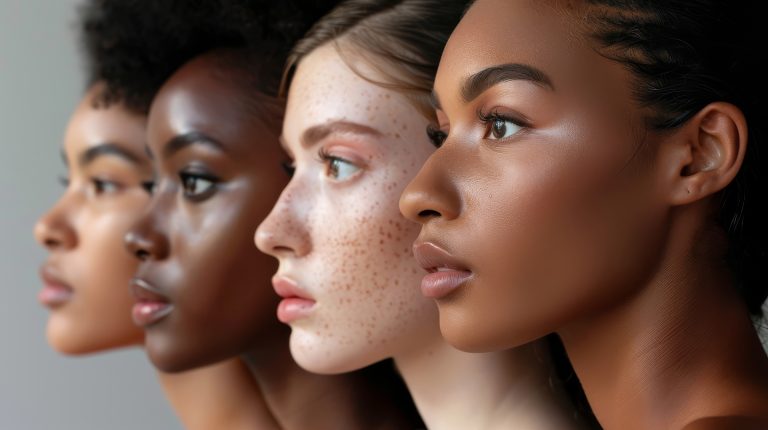
As a South African woman, your skin tells a story — shaped by your genetics, lifestyle, climate, and even the season. Understanding the difference between skin type and skin condition is one of the most empowering steps you can take in caring for your skin holistically.
Skin Type: What You’re Born With
Your skin type is determined by genetics and remains relatively consistent throughout your life (though it may shift slightly with age, hormones, or major life changes like menopause).
The main skin types are:
- Normal skin – Balanced, with few imperfections. Rare oiliness or dryness.
- Dry skin – Often feels tight, flaky, or rough. Less sebum (natural oil) is produced.
- Oily skin – Shiny appearance, often with enlarged pores or breakouts. Sebum production is high.
- Combination skin – Oily in the T-zone (forehead, nose, chin) and dry or normal elsewhere.
- Sensitive skin – Reacts easily to products, weather, or stress. Can occur in any of the above types.
Across South Africa’s diverse population, skin types vary, but sensitive skin is especially common due to environmental triggers such as wind, cold fronts, heatwaves, and pollution.
Skin Condition: What Your Skin Is Going Through
Your skin condition, on the other hand, is temporary and can be treated. It changes depending on your environment, health, diet, stress, skincare routine, and climate.
Some common skin conditions among South African women include:
- Hyperpigmentation – Often due to sun exposure, hormonal changes, or inflammation. Common in medium to dark skin tones.
- Dehydration – A lack of water in the skin, making it feel tight and look dull. Common in winter or after exposure to heaters or strong wind.
- Acne/breakouts – Can be hormonal, stress-related, or linked to poor product choices.
- Sensitivity / Redness / Irritation – Linked to harsh products, allergies, or sudden climate changes.
- Eczema / Psoriasis / Rosacea – Chronic inflammatory skin conditions that require special care.
In cities like Cape Town or Johannesburg, where winter is dry and harsh winds are common, conditions like dehydrated skin, eczema, and flare-ups are frequent. Likewise, sun-related pigmentation is more common in warmer coastal areas or among women with melanin-rich skin who are exposed to UV rays daily without adequate SPF.
What South African Women Should Keep in Mind
Whether you’re 20, 40, or 60, understanding how local conditions impact your skin is essential. Here’s what to consider:
- UV Exposure is Intense – Even on cloudy days. Always use a broad-spectrum SPF, regardless of your skin tone.
- Seasonal Shifts Are Real – Winter often triggers dryness and sensitivity; summer can increase oiliness and pigmentation.
- Hard Water & Pollution – In some areas, these contribute to skin dehydration or irritation.
- Cultural Practices & Products – Not all imported skincare suits ethnic skin or our climate. Choosing professional, locally aware advice helps.
How to Care for Both
The goal is to tailor your skincare to address both your type and condition:
- Example: You may have oily skin (type) but be dehydrated (condition) in winter. You’ll need hydration-focused, non-comedogenic products.
- Or, you may have dry, sensitive skin (type) with hyperpigmentation (condition). Then you’ll need calming, moisture-rich products, as well as targeted brightening treatments.
Regular skin analysis with a qualified therapist can help you adjust your routine seasonally and correctly identify what your skin is going through.
Every woman’s skin is unique — just like her story.
By learning the difference between what’s permanent (your type) and what’s changeable (your condition), you can make informed, loving decisions for your skin’s health.
Be kind to your skin. Listen to it. Nourish it.
Let it reflect the vibrant, strong, beautiful woman you are — no matter your age, skin tone, or stage of life.